Facelift Surgery in Los Angeles

Written by: Aesthetic & Cosmetic Surgeons Editorial Team

Medically Reviewed by: Dr. Saurabh Jain, MD, FAACS (Last Updated: May 22, 2026)

A facelift surgery, medically known as rhytidectomy, addresses the structural changes that cause the face to age: sagging skin, jowl formation, jawline laxity, and neck banding. Dr. Jain performs SMAS-based facelift surgery under local anaesthesia, serving patients from Canoga Park, Woodland Hills, Encino, Calabasas, and across the greater Los Angeles area.

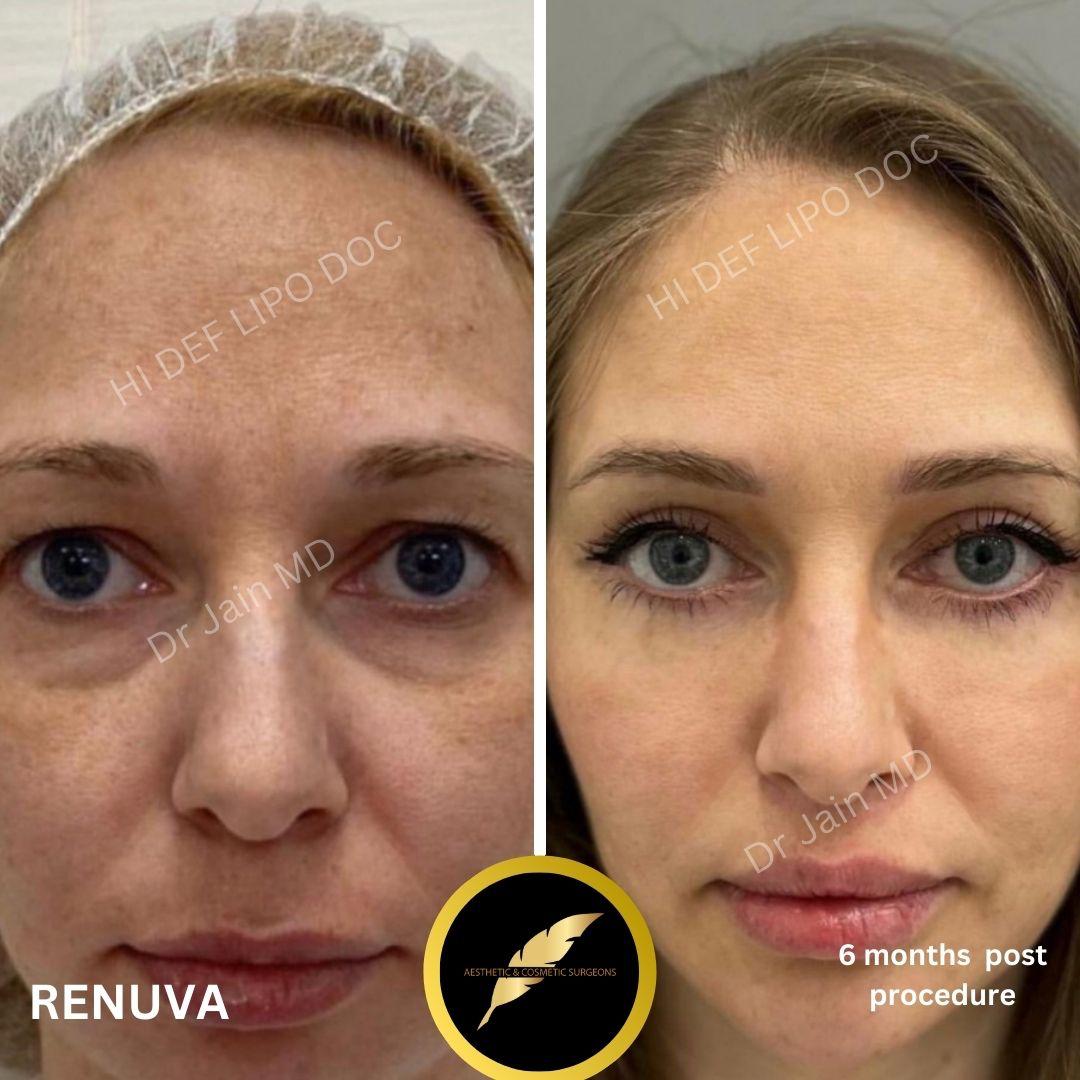
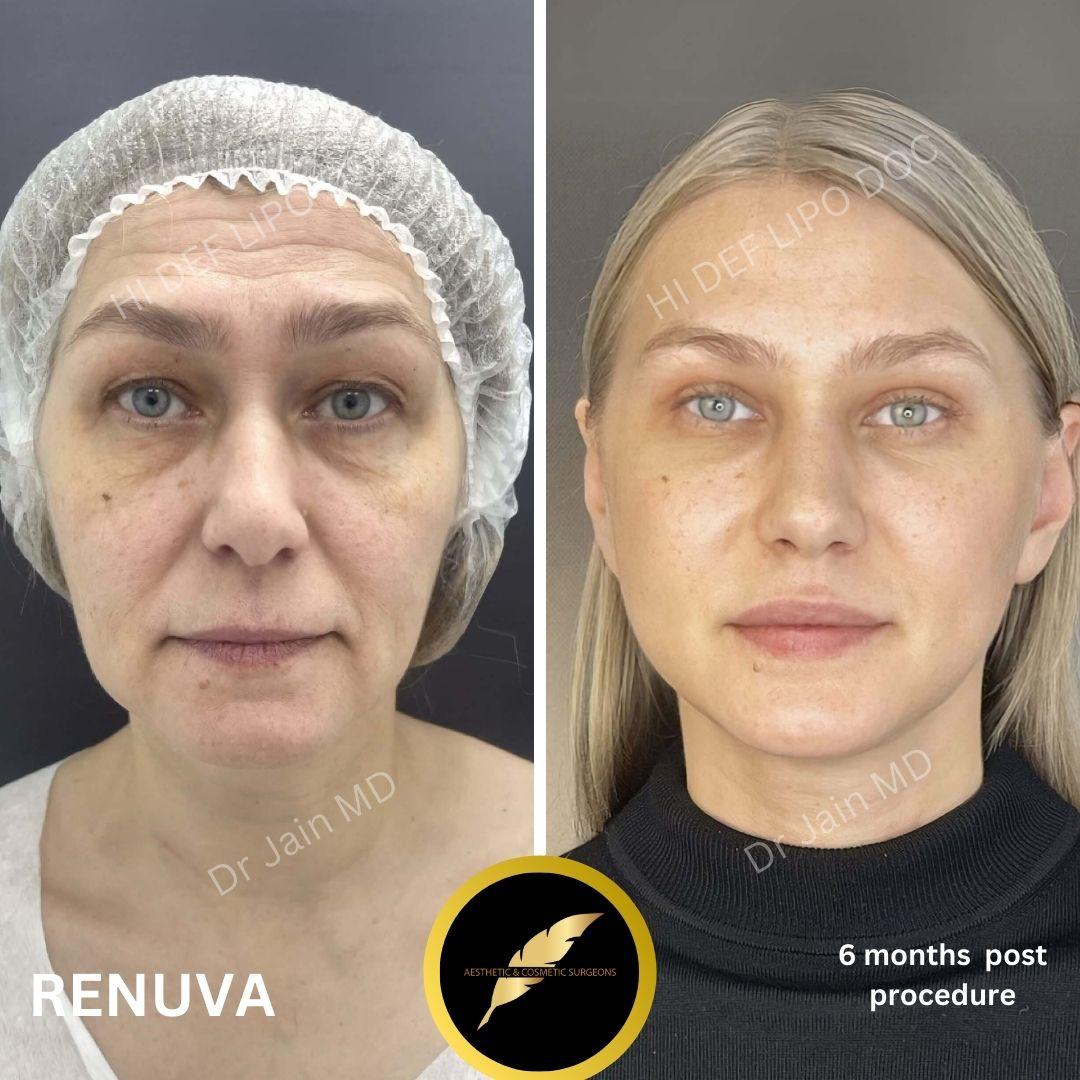
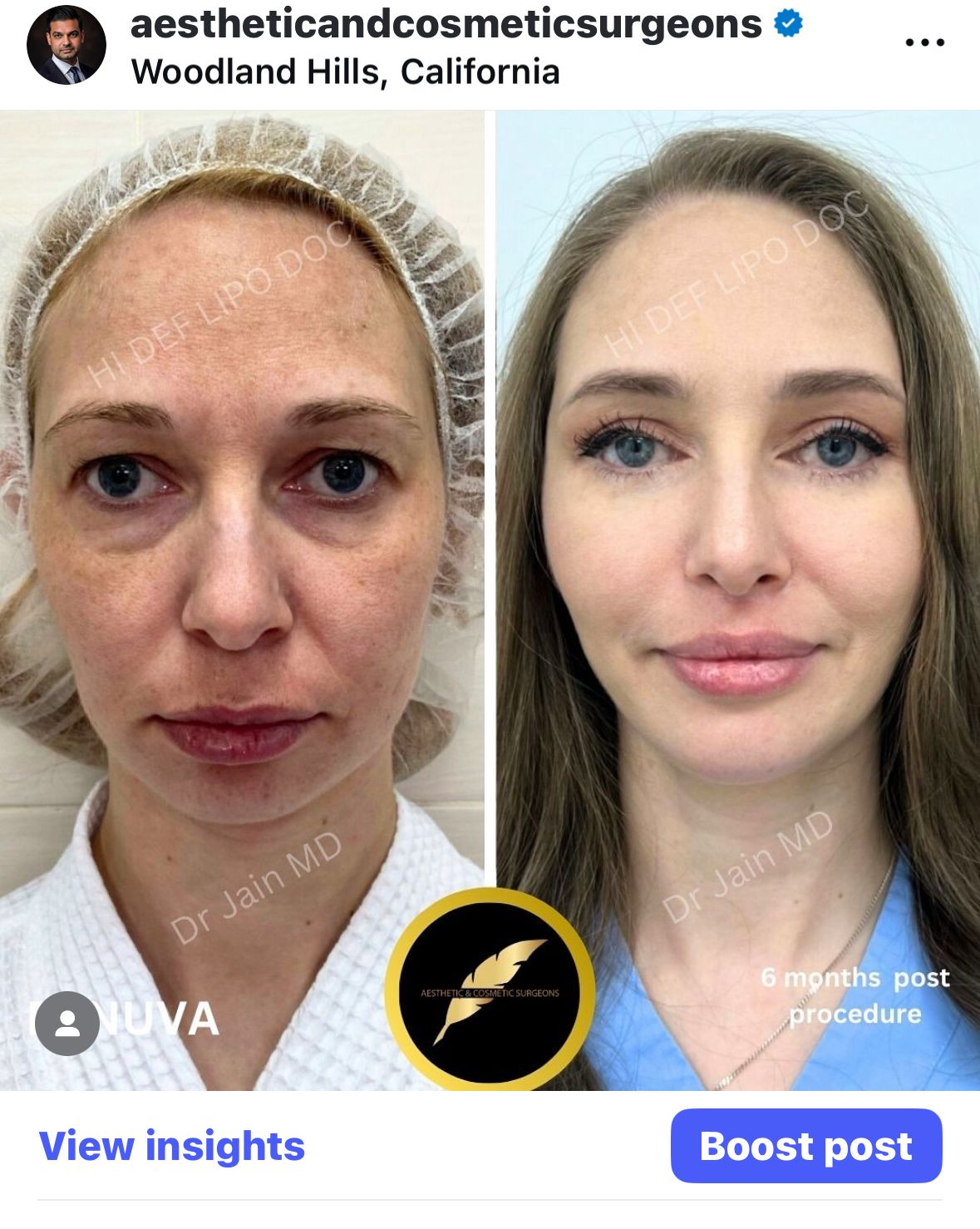
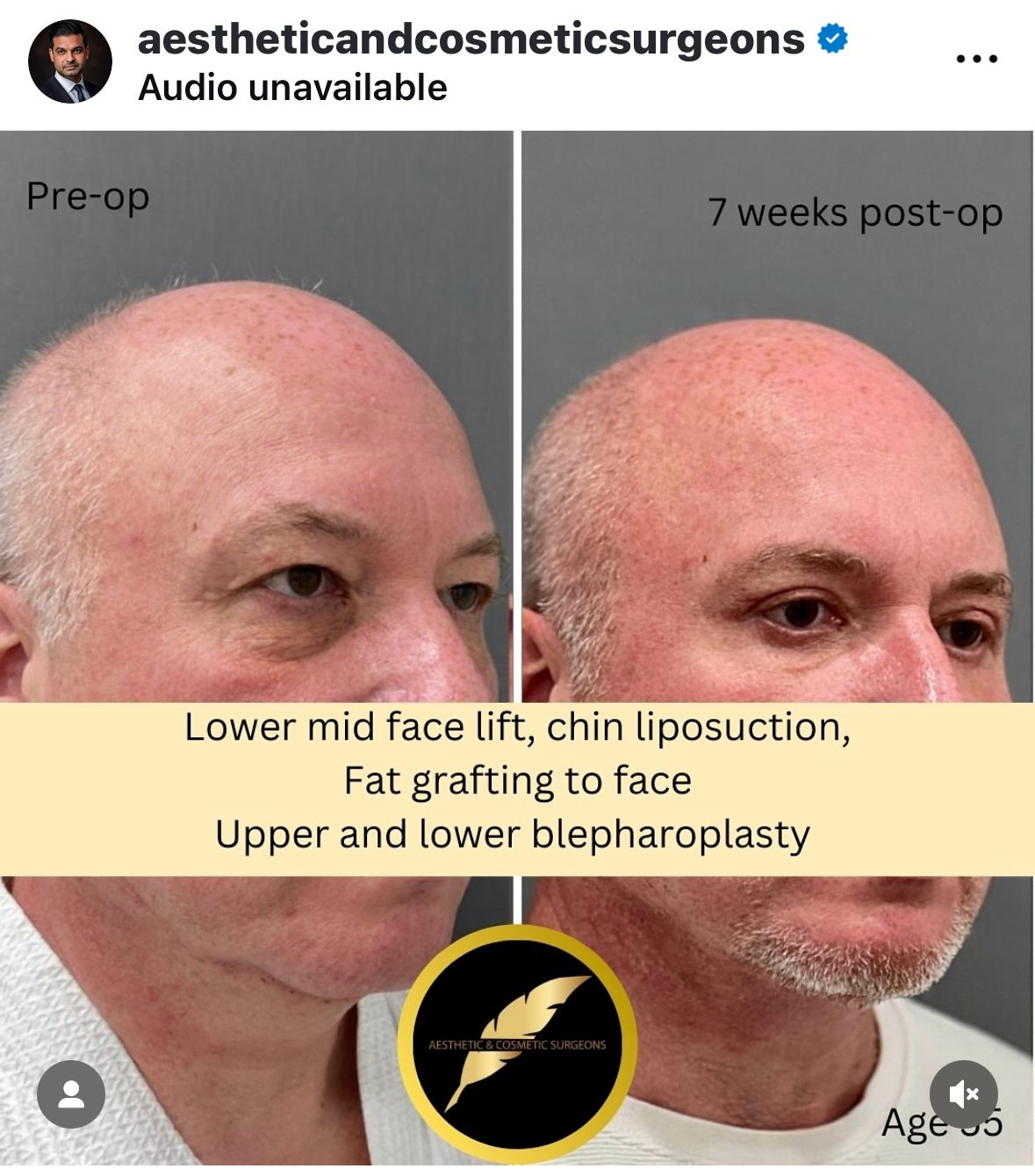
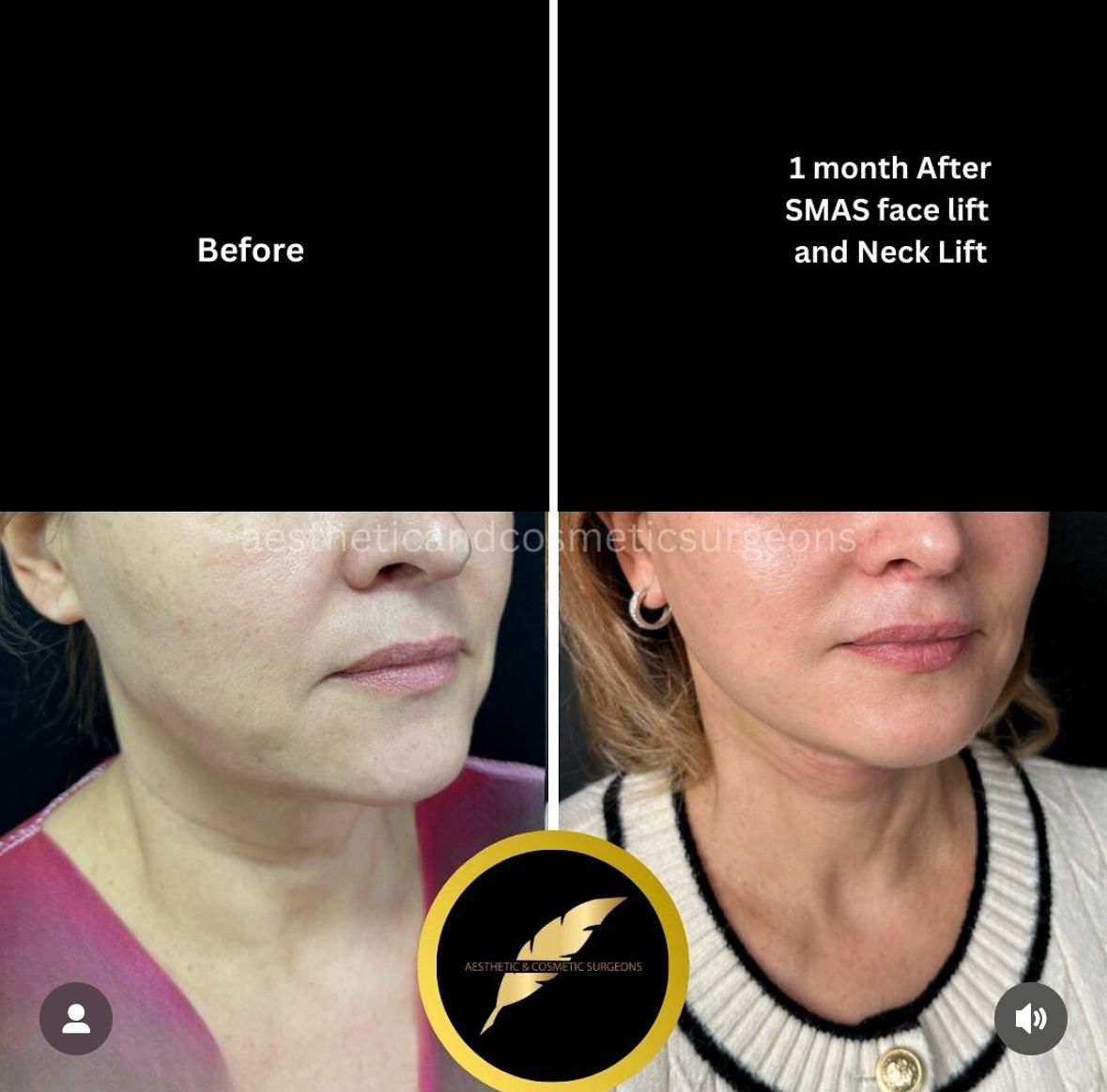
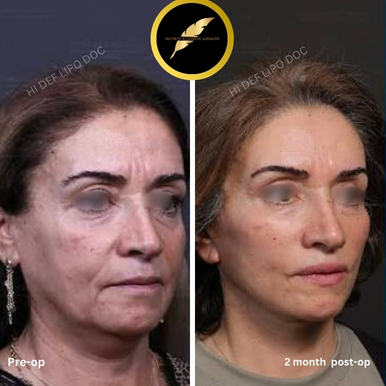
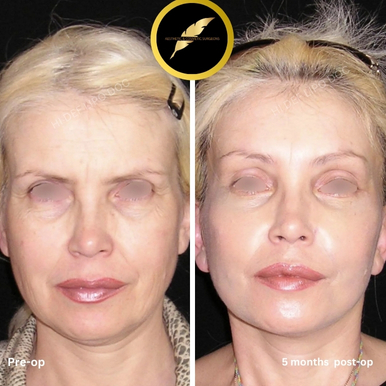
Before & After Result Photos

BOOK AN APPOINTMENT
What Is Facelift Surgery? Rhytidectomy Explained

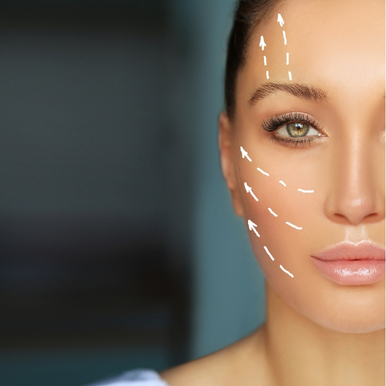
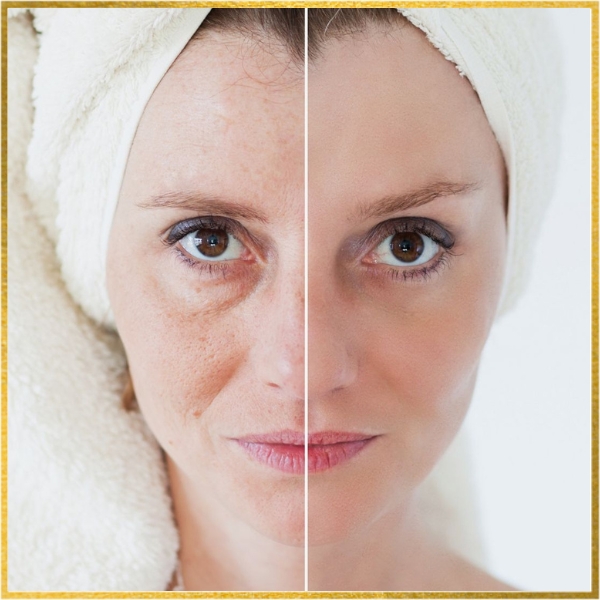
Facelift surgery (rhytidectomy) addresses the anatomical changes underlying facial ageing. Over time, the SMAS (Superficial Musculoaponeurotic System), the layer of muscle and connective tissue beneath the skin, descends. This descent causes jowl formation, nasolabial fold deepening, jawline laxity, platysma banding in the neck, and the loss of the distinct jawline-to-neck angle that characterises a younger face.

Unlike injectable fillers or non-surgical skin-tightening treatments, which temporarily address surface-level changes, a surgical facelift repositions the underlying tissue and muscle layers that have shifted with time. This structural approach produces a result that looks anatomically natural and lasts significantly longer than non-surgical alternatives.

For a general overview of facelift surgery from a major U.S. surgical society, see the American Society of Plastic Surgeons' facelift procedure page.

Dr. Jain performs SMAS-based facelift surgery using local anaesthesia with light oral sedation, an approach that reduces recovery time, eliminates the risks associated with general anaesthesia, and allows most patients to resume light daily activities within one to two weeks.

About Dr. Saurabh Jain: Skilled Facelift Surgeon in Los Angeles

Dr. Jain is a board-certified cosmetic surgeon practising in woodland hills, Los Angeles. He completed surgical training at the University of Southern California (USC) and the Medical University of South Carolina (MUSC). Dr. Saurabh Jain is an active member of the American Academy of Cosmetic Surgery (AACS) and the American Society for Liposuction Surgery (ASLS). Dr Jain is also certified by Royal college of Surgeons.

His profile is independently verifiable through the AACS Surgeon Finder directory. Dr. Jain specialises in facelift surgery, neck lift, eyelid surgery, and related facial rejuvenation procedures.

About Dr. Saurabh Jain: Skilled Facelift Surgeon in Los Angeles

SMAS Facelift vs. Traditional Facelift: Dr. Jain's Approach

The SMAS layer is the structural foundation of the lower face. The SMAS is a well-documented anatomical layer; for a clinical reference, see the SMAS Fascia entry on NCBI's StatPearls. Traditional skin-only facelifts pull the skin without addressing the deeper layer, which often produces the tight, windswept appearance associated with older surgical techniques. SMAS-based facelift surgery repositions this deeper muscular layer, which is what creates natural-looking, longer-lasting results. The face is lifted from its structural foundation, not just its surface.

Dr. Jain performs a SMAS Facelift combined with a Corset Neck Lift, addressing jowls, jawline laxity, neck sagging, excess skin, and platysma banding in a single procedure. His technique is performed under local anaesthesia with gentle sedation, eliminating the risks and extended recovery associated with general anaesthesia.

Deep Plane Facelift

A deep plane facelift releases and repositions the facial ligaments at a level deeper than a standard SMAS lift, making it particularly effective for patients with significant midface descent or deep nasolabial folds. This technique provides more comprehensive improvement for advanced facial ageing. During your consultation, Dr. Jain will assess whether a standard SMAS lift, a deep plane approach, or a mini facelift is most appropriate based on your anatomy and goals.

Overall Rating

Mini Facelift in Los Angeles: Is It Right for You?

A mini facelift addresses early-stage jowling and lower face laxity through smaller incisions placed in front of the ear. It is typically performed under local anaesthesia with minimal downtime and is well-suited to patients in their late 30s to early 50s who are seeing early signs of jawline softening but do not yet require the more extensive tissue repositioning of a full SMAS facelift.

A mini facelift is not a substitute for a full facelift in patients with significant jowling, neck sagging, or midface descent. Candidacy is determined during a one-on-one consultation with Dr. Jain, who will assess your anatomy and recommend the procedure that will produce the most appropriate and lasting improvement for your specific situation.

Mini Facelift in Los Angeles: Is It Right for You?

Who Is a Good Candidate for Facelift Surgery?

Most facelift patients are between 40 and 70 years of age, though candidacy is based on anatomy and health rather than age alone. Patients who benefit most from facelift surgery typically notice one or more of the following:

  1. Sagging or jowling along the jawline
  2. Loose or excess skin in the neck
  3. Deepened nasolabial folds (the lines from nose to mouth)
  4. Loss of the defined angle between the jaw and the neck
  5. Platysma banding, vertical cords visible in the neck
  6. Facial volume loss causes a hollowed appearance

Good candidates are in good general health, do not smoke, and have realistic expectations about what surgery can achieve. Dr. Jain evaluates skin elasticity, bone structure, overall health, and personal goals during your consultation. Some patients in their late 30s with early jowling are excellent candidates for a mini facelift; patients in their 70s with good underlying bone structure are often excellent candidates for a full procedure.

Before & After Result videos

Personalized Cosmetic Transformation
Facelift Surgery by Dr. Jain
Facelift
Facelift

Facelift Surgery Recovery: What to Expect Week by Week

Recovery from facelift surgery with Dr. Jain is typically faster and more comfortable than with traditional general anaesthesia approaches. The following timeline reflects a typical recovery pattern. Individual recovery varies based on age, skin condition, the extent of the procedure, and overall health.

Days 1–3: Rest and initial healing - Mild bruising, swelling, and a feeling of tightness are normal. Rest is essential. Drain tubes and bandages are typically removed the following day. Pain is generally manageable with Tylenol.

Week 1: Supportive therapies begin - Hyperbaric oxygen therapy and lymphatic facial massage are initiated to reduce swelling and support healing. Most patients remain at home during this period.

Week 2: Return to light activity - Many patients return to light social activities and video calls. Swelling continues to diminish. Strenuous activity and exercise remain restricted.

1 Month: Most bruising resolved - The majority of bruising and visible swelling has resolved. Facial contours are visibly refined. Most patients return to normal daily activities, though final healing continues.

3–6 Months: Final results visible - All residual swelling has fully resolved, and the final result is established. Individual healing timelines vary; some patients see final results earlier, some later.


Risks and Considerations of Facelift Surgery

Important Medical Information

Facelift surgery is a surgical procedure and carries inherent medical risks. The following information is provided to support informed consent. Dr. Jain discusses all risks and considerations with each patient individually during the consultation process. Individual risk profiles vary based on health status, age, skin condition, and procedure extent.

As with all surgical procedures, facelift surgery carries potential risks and complications. These include, but are not limited to:

  1. Swelling and bruising: Temporary bruising and swelling are expected and normal after surgery. Extent and duration vary by individual.
  2. Nerve sensitivity changes: Temporary numbness or altered sensation in the face or neck is possible during healing.
  3. Infection: Surgical site infection is possible with any procedure. Sterile technique and post-operative care protocols minimise this risk.
  4. Scarring: Incisions are placed within natural contours around the ear and hairline to minimise visible scarring. Healing varies by skin type and individual biology.
  5. Asymmetry: Some degree of facial asymmetry exists in all patients before surgery. Surgical outcomes may not fully correct pre-existing asymmetry, and minor asymmetry in healing is possible.
  6. Skin irregularities: Changes in skin texture, contour irregularities, or skin healing variations are possible outcomes of any skin-repositioning procedure.
  7. Healing variability: Results and recovery timelines vary by patient. Factors including age, smoking history, skin quality, and overall health affect both healing speed and outcome.

If you experience fever, unexpected increases in pain, discharge from incision sites, or other concerning symptoms after surgery, contact our office immediately at 818-220-3393. Dr. Jain and his team provide active post-operative support throughout your recovery.

Facelift Combined with Other Procedures in Los Angeles

Facelift surgery addresses the lower face and neck. Patients seeking more comprehensive facial rejuvenation often combine facelift surgery with complementary procedures performed in a single surgical session, which avoids additional recovery periods and can produce more complete results.

Neck Lift (Corset Neck Lift)

Neck lift surgery is often performed simultaneously with a facelift to address platysma banding and neck laxity.

Eyelid Surgery (Blepharoplasty)

Eyelid Surgery addresses hooding and under-eye changes that facelift surgery does not treat.

Brow Lift

Brow Lift elevates a descended brow and softens forehead lines for upper face rejuvenation.

Fat Transfer to Face

Fat Transfer to Face Surgery restores facial volume lost to ageing, and addresses hollowness that lifting alone cannot correct.

Rhinoplasty

Some patients address nasal concerns in the same surgical session as facial rejuvenation.

Chin Liposuction

Refines the chin-neck junction and improves neck contour alongside facelift surgery.

Dr. Jain - Personal Consultation

Facelift vs. Non-Surgical Alternatives: Understanding the Difference

Patients often arrive at a facelift consultation after trying injectable fillers, neurotoxins, thread lifts, or skin-tightening devices. Understanding what each can and cannot achieve helps set realistic expectations.

Injectable fillers and neurotoxins (Botox, Daxxify) address volume loss and muscle activity. They are effective for early-stage ageing and ongoing maintenance, but do not address the structural descent of the SMAS or skin laxity. Thread lifts provide temporary soft-tissue lifting of 12 to 18 months using dissolvable threads, but cannot produce the structural repositioning of a surgical facelift and do not address significant jowling or neck laxity. A surgical facelift addresses the root anatomical changes, tissue descent, muscle laxity, and excess skin, producing results that last 7 to 10 years.

Many patients use a combination of approaches: facelift surgery for structural correction, with periodic injectables for maintenance of volume and surface quality afterward. Dr. Jain advises on the most appropriate approach during your consultation.

Facelift vs. Non-Surgical Alternatives: Understanding the Difference

Schedule Your Facelift Consultation Today

Are you ready to reveal a more youthful, revitalised version of yourself?

Dr. Jain and the team at Aesthetic and Cosmetic Surgeons Los Angeles are here to guide you through every step.

Take the first step toward transformation. Schedule your facelift consultation in Los Angeles today.

FAQ

A mini facelift addresses early-stage jowling and lower face laxity through smaller incisions, typically under local anaesthesia with minimal downtime. A full facelift addresses more significant sagging across the midface, jawline, and neck, with more extensive tissue repositioning. The right option depends on the degree of facial ageing and individual goals, which Dr. Jain assesses during consultation.

The SMAS Superficial Musculoaponeurotic System is the layer of muscle and connective tissue beneath the skin. SMAS facelift surgery lifts and repositions this deeper layer rather than simply pulling the skin, which produces more natural and longer-lasting results compared to skin-only techniques. It is the anatomical reason that modern SMAS facelifts avoid the tight, overdone appearance associated with older surgical approaches.

A deep plane facelift releases and repositions the facial ligaments at a deeper level than a standard SMAS lift. It is particularly effective for patients with significant midface descent and deep nasolabial folds. Dr. Jain will advise whether this approach is appropriate during your consultation.

Results typically last 7 to 10 years, though this varies based on skin quality, lifestyle factors, genetics, and how significantly the face continues to age naturally. Patients who avoid smoking, maintain a stable weight, and protect themselves from sun exposure tend to maintain results longer.

Dr. Jain performs facelift surgery using local anaesthesia with light sedation in most cases, which eliminates the risks and extended recovery associated with general anaesthesia. Some complex cases may require different anaesthesia considerations, which are discussed fully during consultation.

As with all surgical procedures, facelift surgery carries potential risks, including temporary swelling and bruising, nerve sensitivity changes, infection, scarring, skin irregularities, and asymmetry. These risks are minimised through careful surgical planning, patient selection, and post-operative follow-up. Dr. Jain discusses risks comprehensively during consultation. See the full Risks and Considerations section above for detailed information.

Most patients experience the majority of swelling and bruising resolution within two to three weeks. Many return to light social activities by week two. Final results, with all swelling resolved, are typically visible at three to six months. Individual recovery varies based on age, skin quality, procedure extent, and overall health.

Most facelift patients are between 40 and 70, though candidacy is based on skin elasticity, degree of facial ageing, overall health, and personal goals rather than chronological age. Some patients in their late 30s with early jowling benefit from a mini facelift, while others in their 70s are excellent candidates for a full procedure.

Yes. Facelift surgery is commonly combined with neck lift, eyelid surgery, brow lift, fat grafting to the face, and rhinoplasty. Combining procedures can address multiple signs of ageing in a single surgical session, which Dr. Jain plans comprehensively during consultation.

The goal of facelift surgery with Dr. Jain is a refreshed, natural appearance, not a dramatic or obviously altered look. The SMAS technique repositions deeper structures rather than pulling the skin tight, which produces results that look like a more rested, younger version of the patient rather than a surgically altered one.

Look for board certification through a recognised body such as the American Academy of Cosmetic Surgery or American Board of Plastic Surgery, specific facelift experience and training, transparency about technique and recovery, and a portfolio of before-and-after results demonstrating natural outcomes. A thorough in-person consultation is essential before making any decision.

Facelift surgery is an elective cosmetic procedure and is not covered by health insurance. Financing options through Affirm are available at Aesthetic & Cosmetic Surgeons, allowing patients to manage the cost through monthly payments.

Google reviews

Instagram
Whatsapp icon