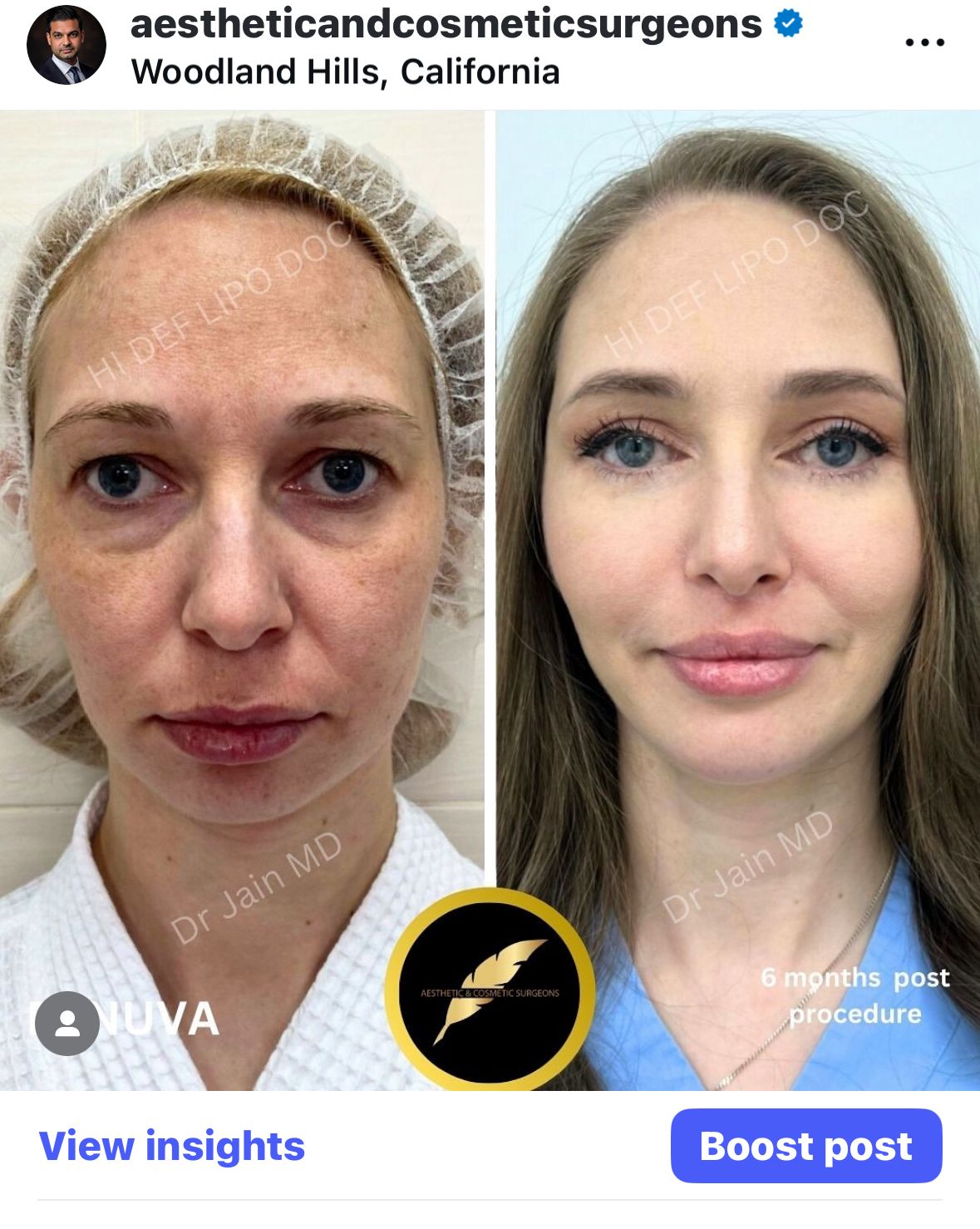
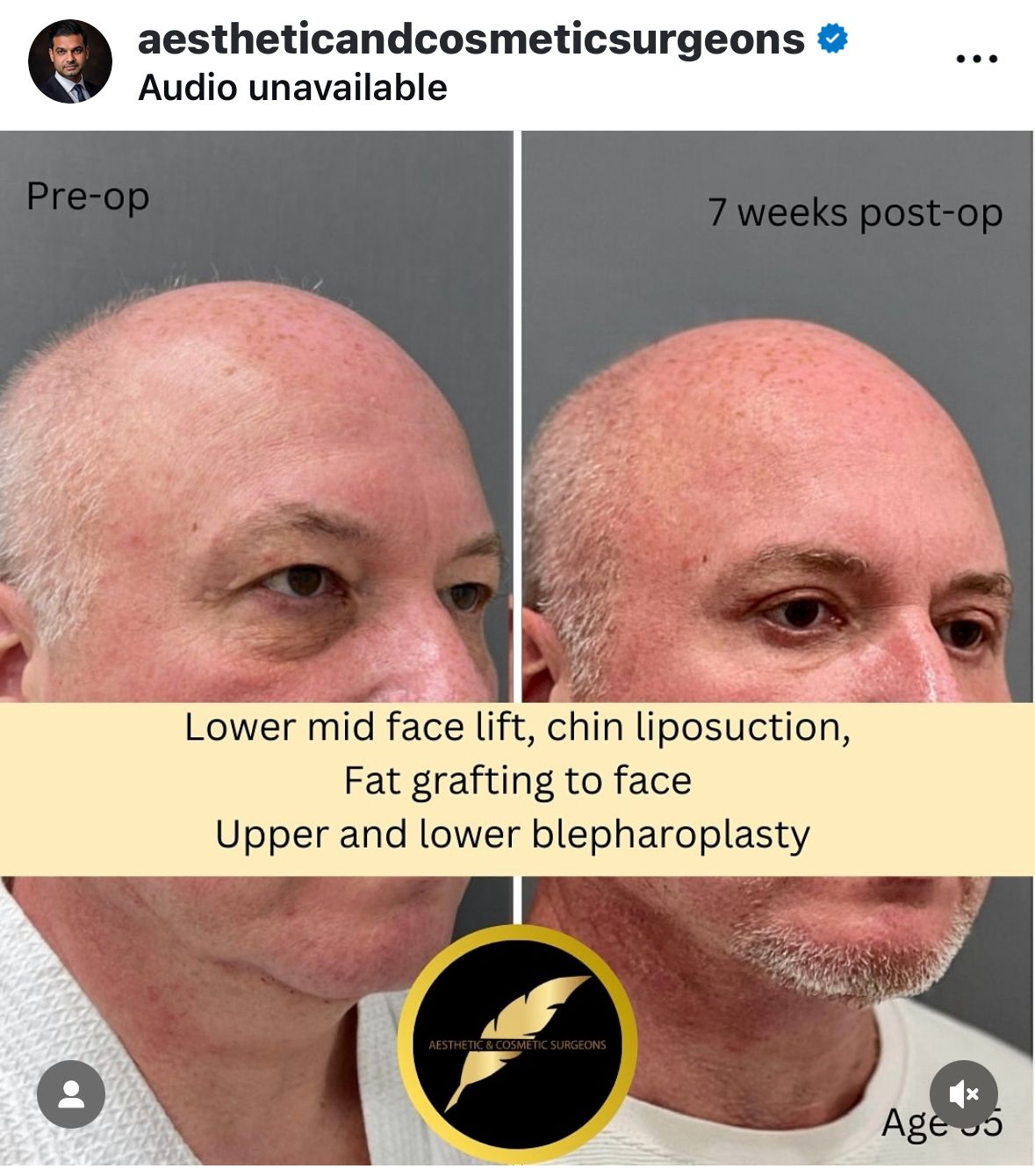
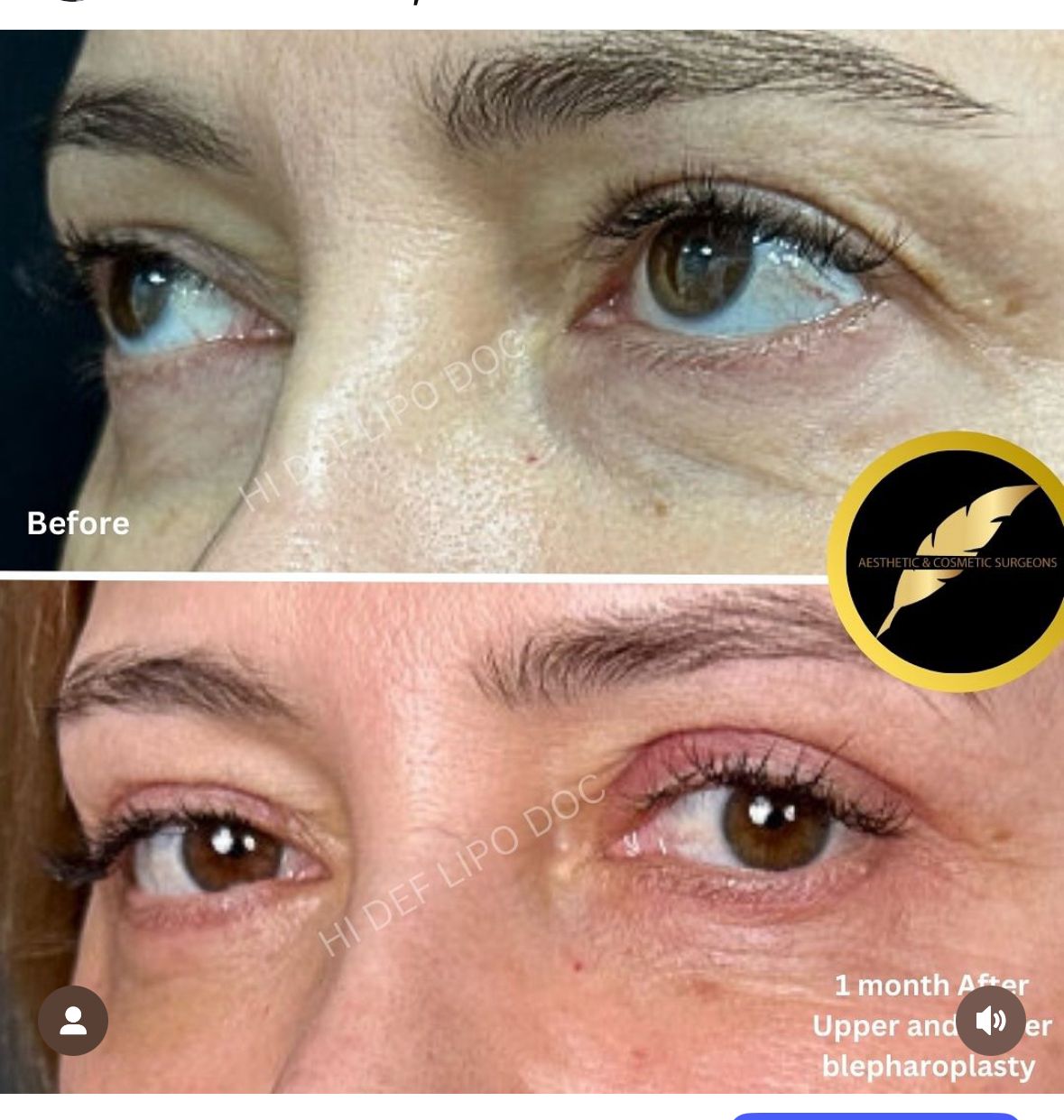
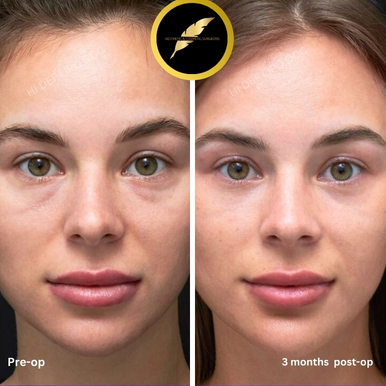
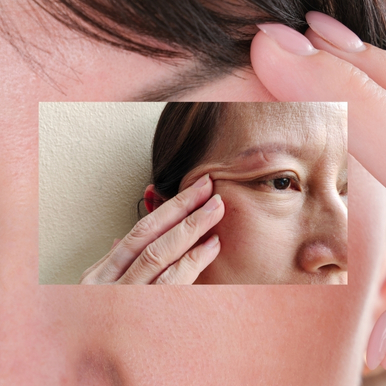
Blepharoplasty has a strong safety record when performed by a qualified cosmetic surgeon, but like any surgical procedure, it carries risks that every patient should understand before making a decision.
Possible risks include temporary dry eye irritation, blurred vision, or double vision. Swelling and bruising that extends beyond the typical recovery window, infection, asymmetry between the two sides, temporary difficulty fully closing the eyes, and, in rare cases, changes to vision. Serious vision-affecting complications are rare but exist and are worth discussing openly during consultation.
Dr. Jain reviews the specific risks relevant to each patient's anatomy and medical history during the pre-operative consultation. Patients with pre-existing dry eye, thyroid conditions, or other relevant history receive additional assessment before any surgical plan is confirmed.
Procedures That Complement Blepharoplasty
Some patients benefit from procedures performed alongside or after blepharoplasty that further improve the eye area and overall facial appearance:
Brow lift
When brow descent is contributing to upper eyelid heaviness, a brow lift surgery addresses the underlying cause rather than just its effect on the lid. Many patients benefit from both procedures together.
Facelift
For patients with concerns beyond the eye area, a facelift procedure can be combined with blepharoplasty for comprehensive rejuvenation in a single recovery period.
Fat transfer to the face
Fat transfer to face procedure restores volume to the cheeks and under-eye area, complements blepharoplasty by addressing hollowing and tear troughs that the eyelid procedure alone does not treat.
PDO thread lift
PDO thread lift is a non-surgical option for mild brow or mid-face descent that can support and complement blepharoplasty results in appropriate candidates.
Non-surgical treatments
Botox, dermal fillers, and skin resurfacing address fine lines, crow's feet, and skin texture around the eye area that surgery does not target directly.
Why Choose Dr. Jain at Aesthetic and Cosmetic Surgeons, Los Angeles?
Board certification and experience: Dr. Saurabh Jain is a board-certified cosmetic surgeon with specific expertise in facial procedures. Eyelid surgery is one of the most technically demanding procedures in facial surgery, and choosing a surgeon who performs it regularly and in high volume matters more than in almost any other procedure.
- Individual assessment: Brow position, fat distribution, skin quality, dry eye history, functional versus cosmetic goals — all of it shapes the surgical plan. No two patients at Aesthetic and Cosmetic Surgeons receive the same approach because no two patients have the same anatomy or the same concerns.
- An honest consultation: Dr. Jain uses imaging during consultations to help patients understand what is realistically achievable for their specific anatomy. The consultation is a genuine discussion (not a sales process), and patients leave with a clear, honest picture of what the procedure involves and what results they can expect.
- Support throughout recovery: The recovery from blepharoplasty takes months. Dr. Jain and the team at Aesthetic and Cosmetic Surgeons provide support throughout the full recovery arc, not just in the days immediately following surgery.
Book Your Consultation
Ready to see what blepharoplasty can do for you? Dr. Jain offers private consultations at our Canoga Park clinic. Call 818-220-3393 or book online below.
Dr. Jain at Aesthetic and Cosmetic Surgeons Los Angeles offers private consultations for patients considering upper blepharoplasty, lower blepharoplasty, combined blepharoplasty, Asian eyelid surgery, or functional blepharoplasty for vision improvement.
Practice address: 7301 Topanga Canyon Blvd, Suite 330, Canoga Park, CA 91303 Email: info@aestheticandcosmeticsurgeons.com
Conveniently located in Canoga Park, our practice serves patients from across the San Fernando Valley and greater Los Angeles area. Whether you are travelling from Woodland Hills, West Hills, Calabasas, Chatsworth, Northridge, Reseda, or Tarzana, our clinic is easily accessible and welcoming to patients throughout the region. We also regularly see patients from Thousand Oaks, Simi Valley, and the wider Los Angeles area who are seeking a board-certified specialist close to home. If you are considering eyelid surgery in the San Fernando Valley, we invite you to schedule a consultation through our website.
*All procedures are performed in an accredited surgical facility meeting California state requirements for patient safety.